
A partner solution for a critical workstation
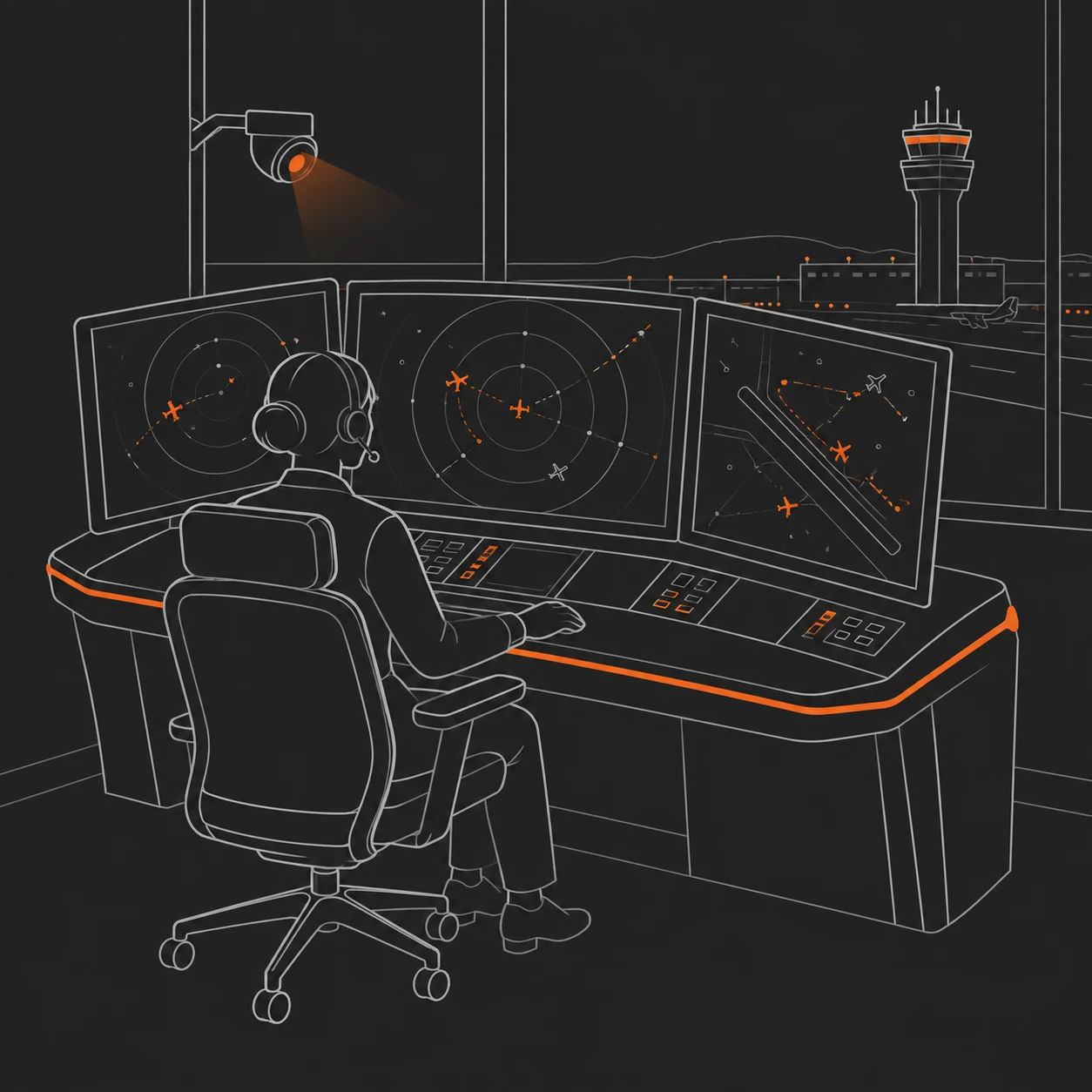
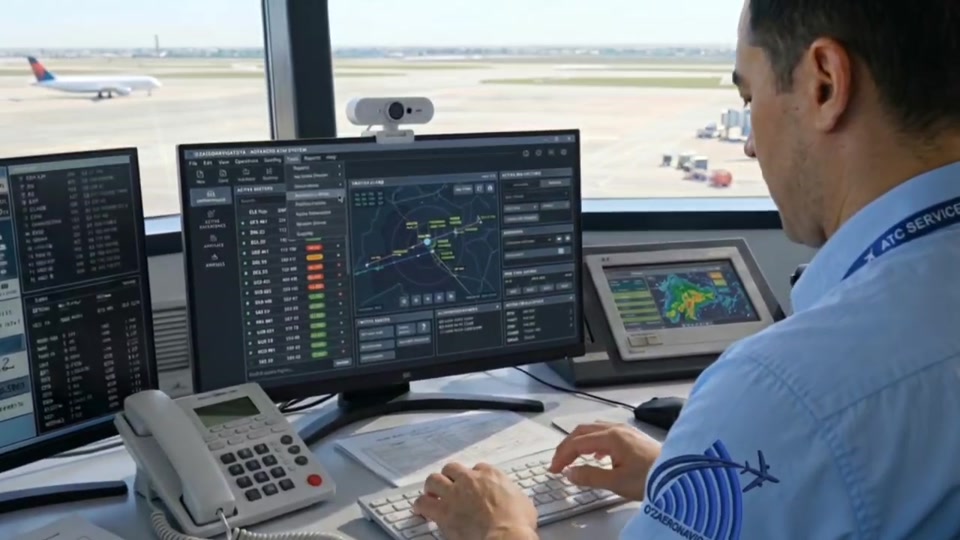
The solution was deployed for air traffic controller workstations at an airport in Asia. It is a partner application built on BOX 3.2, combining camera observations with operational rules and a supervisor’s review process.
Monitoring functions
Workstation presence
Register arrival, absence and return at a configured workstation. Distinguish a temporary movement from an absence event using the agreed timing rules.
Authorised personnel
Support configured employee identification and detect another person entering a monitored workstation. Identification is enabled only where it is part of the agreed deployment.
Observable signs of reduced attention
Track prolonged eye closure and head pose, with duration thresholds and camera-quality checks. These are visual observations for review, not a medical diagnosis.
Distraction and phone use
Observe gaze direction, prolonged distraction and use of a phone at the workstation. Combine observations over time rather than alerting on every brief movement.
Smoking and vaping
Detect visible smoking or electronic-cigarette use in monitored areas and retain a relevant image or clip for review.
Evidence and review
Provide time, camera, event type and supporting video. A responsible reviewer can confirm or reject an observation and follow the airport’s response procedure.
Workstation monitoring interface
Conditions for reliable operation
The camera needs a suitable view of the face and workstation, stable lighting and sufficient detail. Glasses, occlusion, head position and changing screen light are tested during commissioning. Thresholds are agreed with the operator and evaluated against representative recordings and reviewed events.
The partner materials also discuss visual emotional-state categories for specialist review. Such outputs should not be interpreted as a diagnosis or a stand-alone judgement about a controller’s fitness for duty. The system supports people following an operational procedure; it does not issue air traffic instructions.
Integration and operation
The monitoring workflow can connect event records with the operator’s existing review and incident-management processes. Access rights, evidence retention, escalation rules and the handling of false observations are defined for the deployment. No certification by aviation authorities or guaranteed prevention of incidents is claimed.