
Public-space safety
Monitor crowd density, abandoned objects, entry into restricted areas, prolonged immobility, fire and smoke. Selected scenarios can flag visible weapons or concerning interactions for operator review.
Connect city cameras to public safety, municipal services and construction oversight. Explore a unified city platform and multi-site monitoring case studies.
ViewLogic combines computer-vision models, scenario rules and contextual analysis to identify events that need attention. City teams can review the supporting image or video and route the event to the responsible service.
Start with a defined district, facility or operating challenge, then extend the scenarios and camera coverage in stages.
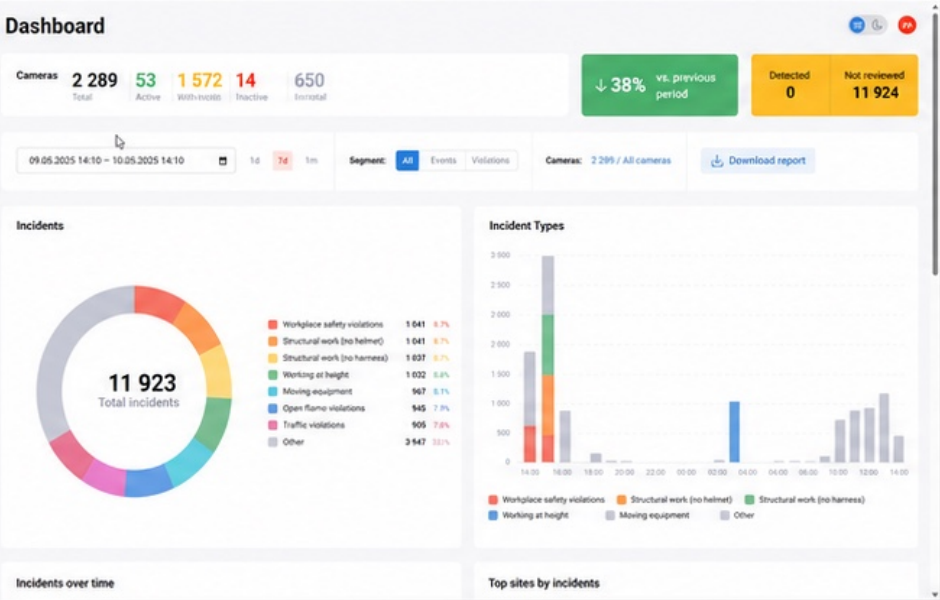
Monitor crowd density, abandoned objects, entry into restricted areas, prolonged immobility, fire and smoke. Selected scenarios can flag visible weapons or concerning interactions for operator review.
Detect growing queues, congestion, blocked lanes and tracks, unexpected obstacles and crowding at stops. Review events with their location and supporting footage.
Measure parking occupancy and duration, identify parking in restricted areas and monitor scooters left outside designated locations or used in prohibited zones.
Monitor waste collection, illegal dumping, pavement damage and visible service activity. Connect observations to contractor visits, work areas and maintenance requests.
Monitor entrances, crowding and defined safety events in busy facilities. Set the scenarios and response workflow to match the location and its operating rules.
Observe PPE, open excavations, access to hazardous areas, material storage, fencing, site cleanliness and out-of-hours activity. Use event records to support coordination with contractors.
The MLLM layer can analyse relationships between people, objects, actions and the surrounding scene. It supports scenarios that need more context than a single detected object, including reviewing work against a written rule.
Complex behaviour scenarios are validated against representative footage and reviewed by the responsible operator. The selected event definition determines which inputs and analysis are needed.
Receive video from the relevant cameras and detect objects or events.
Apply zones, time conditions and contextual analysis.
Review the event and connect it to the responsible service.
Use compatible city CCTV and VMS streams. Confirm camera placement, image detail and stream quality for each selected task.
Plan on-premises, edge or hybrid processing around the city’s infrastructure and data requirements. Size processing resources for the camera and model workload.
Connect events with a command centre, VMS, municipal systems or emergency-response workflows through the agreed interfaces.
Tell us about your cameras, operating areas and the events your team needs to act on.
Smart City applications extend from transport operations to the condition of occupied buildings. These projects show different operating workflows and deployment contexts.
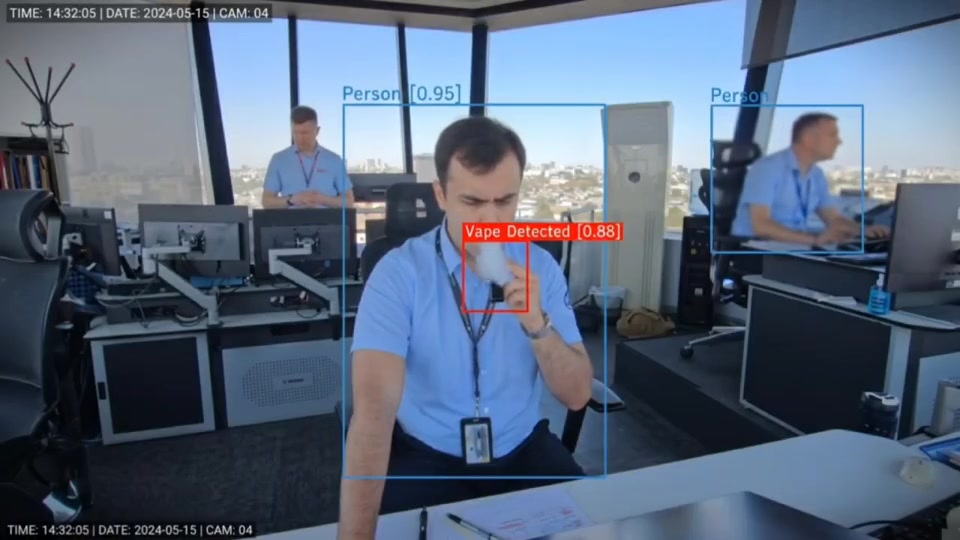
Partner solution in Asia: workstation presence, attention-related observations and supervisor review.
Explore the case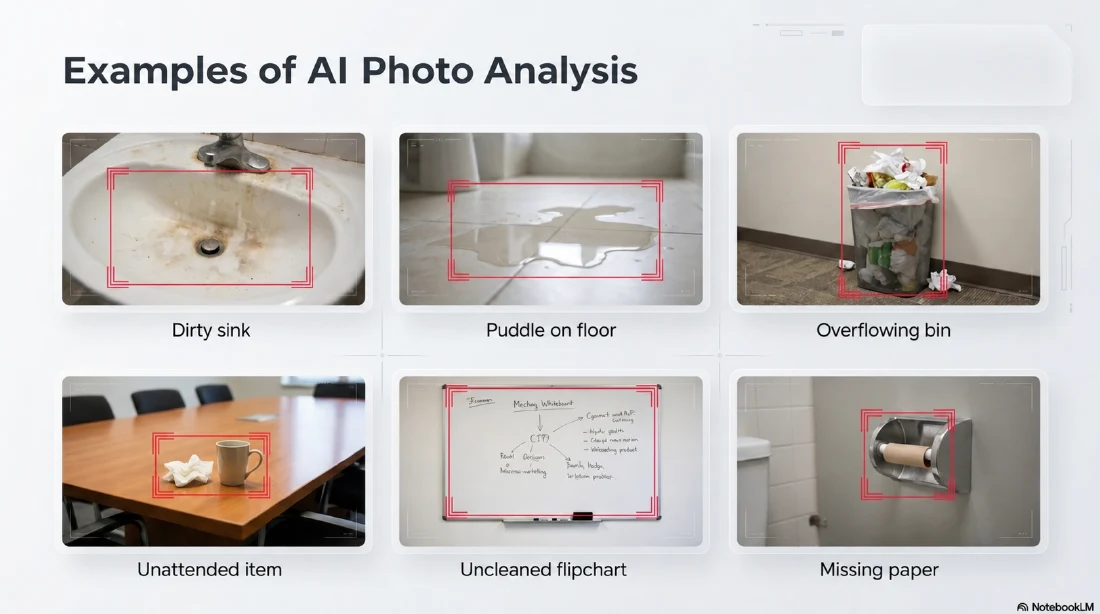
A major telecommunications company in Asia: office condition, cleaning coverage and corrective-work workflows.
Explore the case
A historical pilot in a Central Asian country connecting onboard camera observations with dispatcher response.
Explore the caseA specialist partner application connects workstation observations with a supervisor-led event review workflow.
Explore solution Partner deploymentSecurity · CIS / Asia
A capital city
Tens of thousands of connected cameras, partner-developed detectors and multimodal AI in one citywide video analytics system.
Explore the case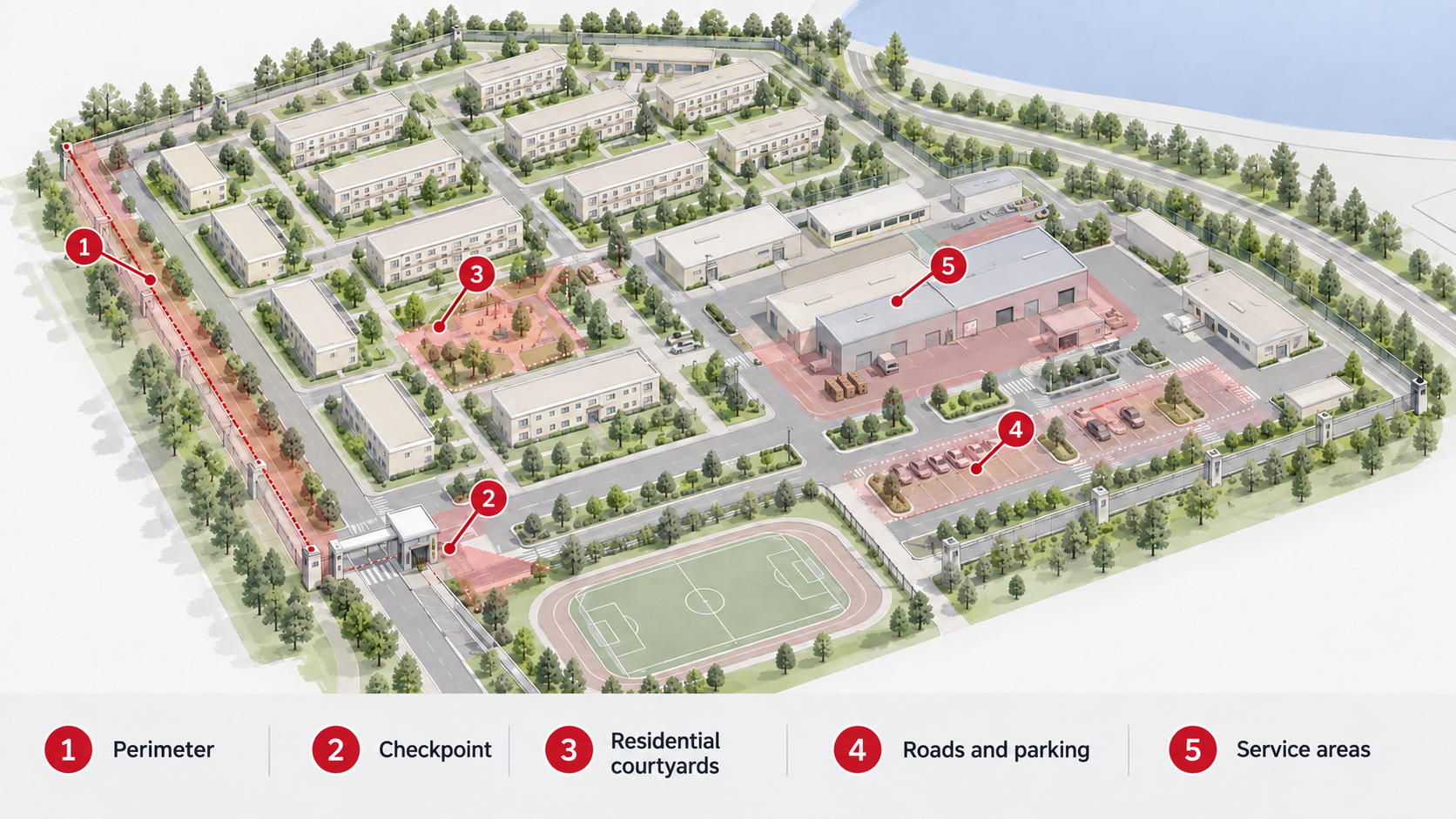 Partner deploymentFacilities & Campuses · CIS / Asia
A residential campus
A partner solution brings video analytics, local multimodal AI and incident coordination into one campus security workflow.
Explore the case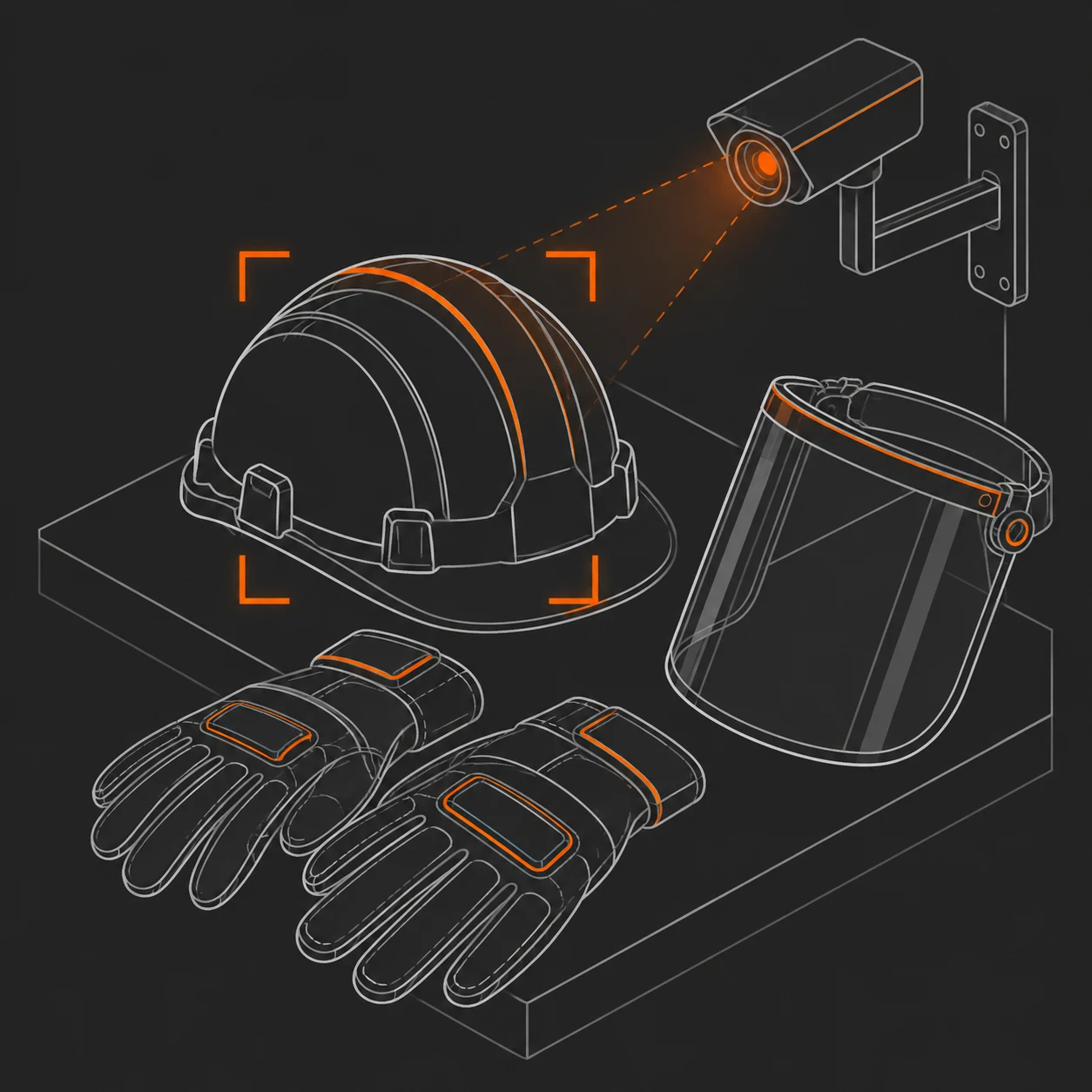 Partner deploymentConstruction · CIS / Asia
A municipal construction supervisory organisation
A partner deployment connects 6,000 cameras to a construction-monitoring system for a municipal supervisory organisation.
Explore the caseFor municipal teams evaluating video analytics in the Middle East and Asia, scope the services, camera estate and responsibilities first. Existing case studies describe their actual deployment regions; each new city project requires its own architecture and acceptance criteria.
Use consistent source locations, event definitions and review responsibilities across the camera estate. Specialist detectors can address different services while the platform provides a common operating layer.