
A major electricity distribution company in the CIS region.
Location: CISAerial inspection and computer vision brought hard-to-reach power infrastructure into a consistent defect review and maintenance planning process.
The operating challenge
The operator’s annual inspection requirement covers more than 63,000 km of 35–110 kV power lines. Around 43% of the network crosses difficult terrain, including rivers, wetlands and forests. Inspecting it through traditional ground-based surveys demands substantial time and personnel.
The task was to make inspection more accessible and turn large collections of aerial photographs into actionable findings. A defect needed a location, supporting evidence and a clear priority for repair.
From flight planning to defect detection
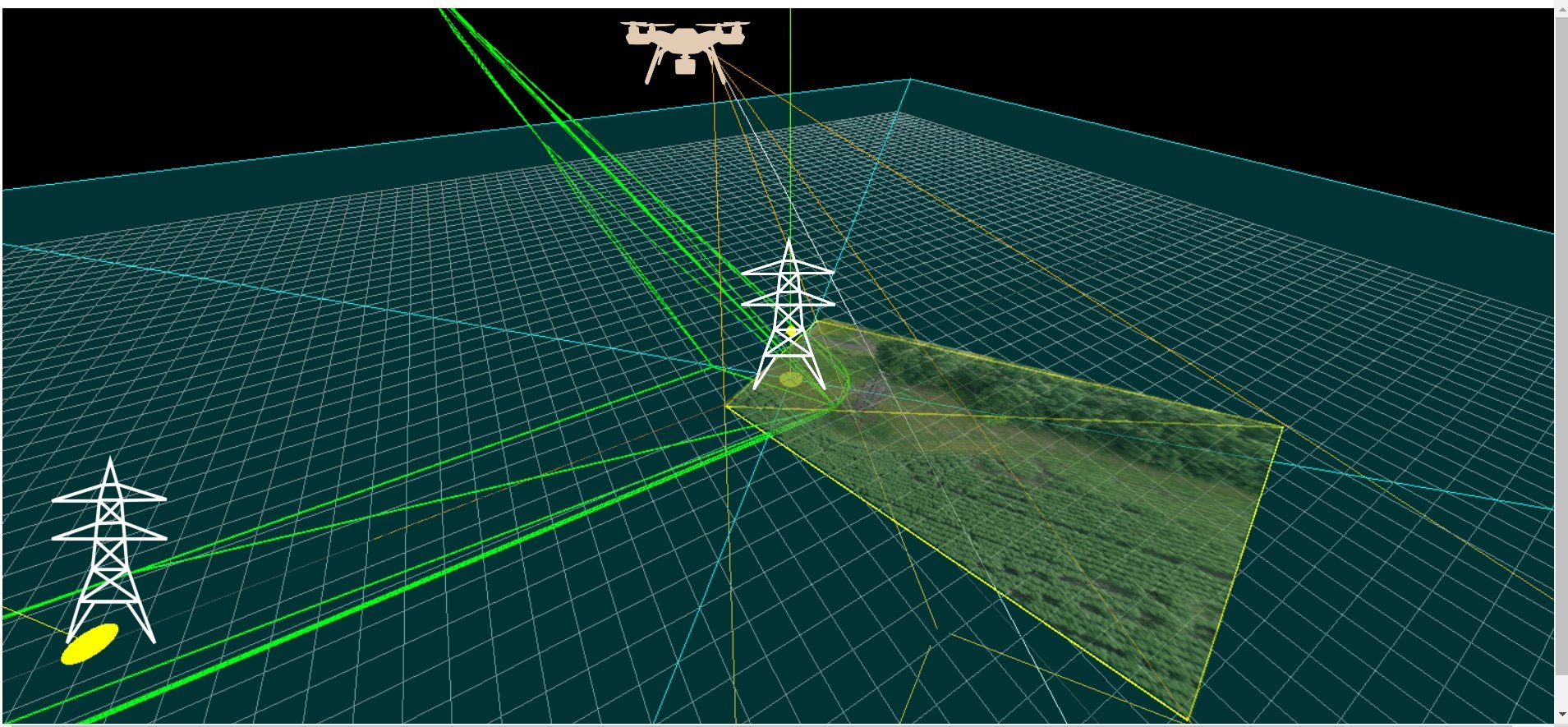
The delivered software supports the preparation and approval of drone flight requests and coordination of flight teams. Drones capture high-resolution imagery, while specialist neural-network models search the material for infrastructure defects.
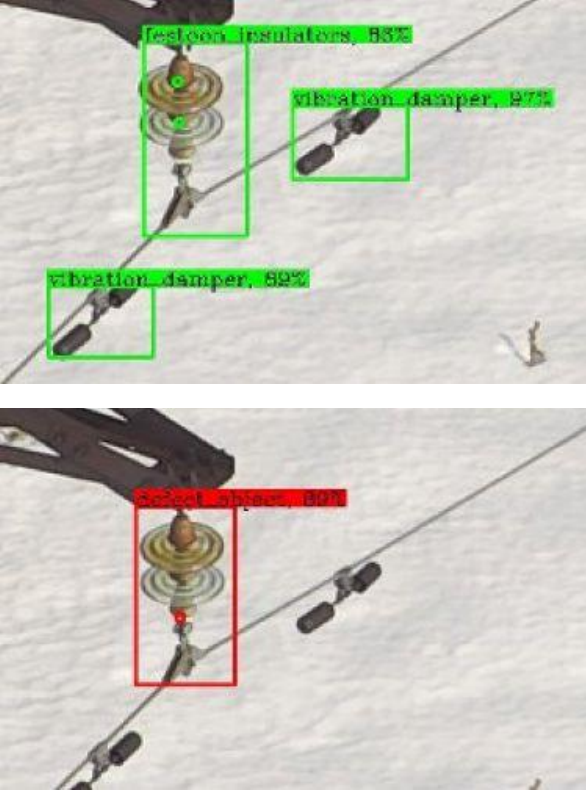
The detection scope includes vegetation encroaching on the protected corridor and damaged or missing insulators. The models were trained on thousands of images so that a flight’s large photographic record could be reviewed systematically.
A practical workflow for maintenance teams
Findings are presented as georeferenced photographs. Reviewers can examine the evidence in detail and prioritise defects by importance and the required correction period. This connects inspection results to repair planning instead of leaving them as an unstructured image archive.
Reported results
During the reported operating period, approximately 3,700 km of lines were inspected and more than 3,600 defects were identified. Inspection expenditure was reported to be 64% lower than manual monitoring.
The 63,000 km figure describes the operator’s wider annual inspection requirement; it is not the volume already inspected by this deployment. The reported cost reduction applies to the project’s comparison with manual inspection.
From imagery to component detection
The inspection workflow can distinguish power-line components and highlight potential defects for review.