Start with the topology
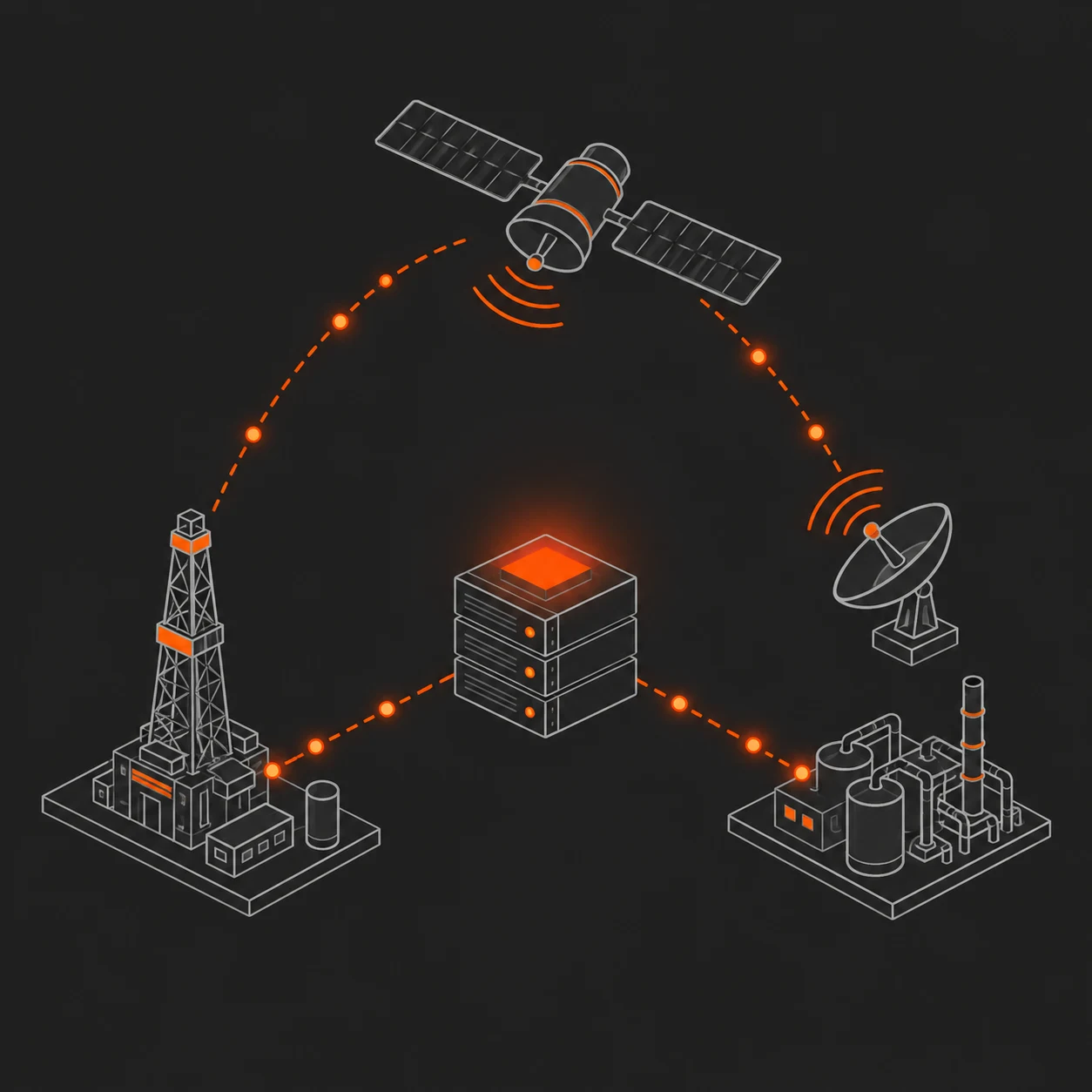
Decide which work happens close to the cameras and which information is needed centrally. Connectivity, latency, media volume and data-handling requirements influence the division between site processing and central oversight.
Reuse a scenario without losing local context
The same scenario may be useful at several sites, but camera views, zones, schedules and responsible teams can differ. Record the shared version and the permitted local parameters so that changes remain traceable.
Plan for interrupted connections
Agree what continues locally, what is buffered and how information is reconciled after reconnecting. Do not assume disconnected operation or automatic synchronisation without checking the delivery design.
Roll out in controlled stages
Validate on representative sources, expand to a limited group of sites and review resource use and operator outcomes. Define a rollback trigger and retain the previous working versions.
Make ownership explicit
Document who maintains source access, updates scenarios, reviews events, monitors infrastructure and responds to faults. A distributed architecture is an operating model as well as a deployment diagram.
Explore distributed deployment.