A visual observation needs context
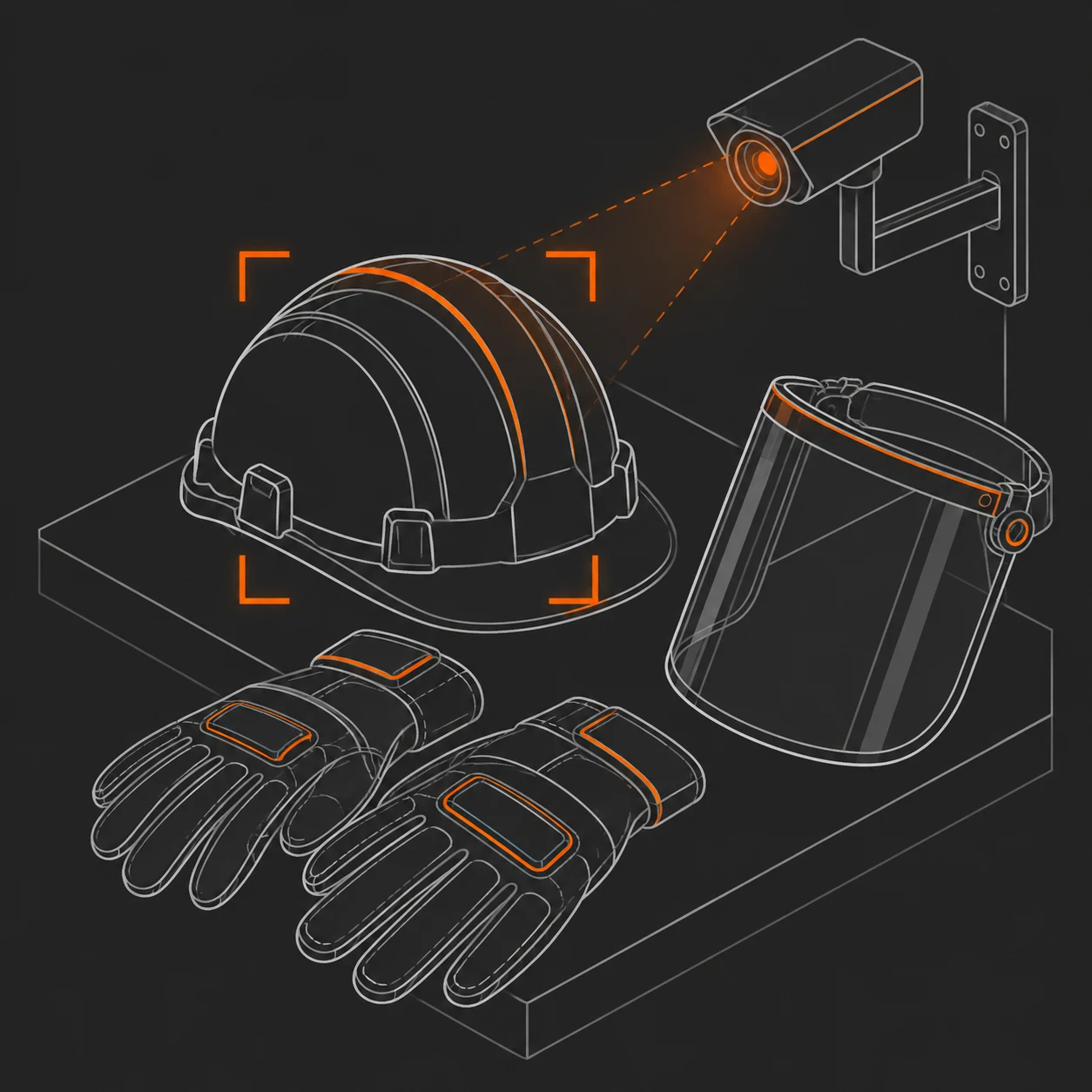
A person, helmet or vehicle detected in a frame does not by itself describe an incident. The meaning depends on the task, the working area, the state of equipment and the sequence of actions.
Scenario logic combines these observations with tracks, zones, schedules and agreed external signals. The objective is a business event that the responsible team can interpret.
Time changes the meaning
A single frame can be ambiguous. Tracking and temporal rules help distinguish a brief crossing, an extended presence and repeated detections of the same episode. The appropriate duration depends on the operating scenario and must be tested rather than copied from another site.
Evidence makes review possible
An event should carry sufficient context to understand what happened: source, time, scenario version and the available media. Review statuses and comments help operators record a decision and expose recurring sources of confusion.
Connect the response carefully
A notification, an incident-management record and a command to equipment have different consequences. Define recipients, failure handling and responsibilities for every integration. Equipment-control functions require their own engineering and validation process.
Improve the workflow, not just the model
Review camera views, zones, rules and notification policy alongside model performance. A well-performing detector can still produce an unhelpful workflow if the event definition or routing is wrong.
Build and test a first scenario.