Continuous monitoring
Check selected safety requirements in camera streams across production areas, shifts and sites.
ViewLogic Health & Safety monitors PPE, hazardous zones and high-risk work through camera streams, with event evidence, notifications and safety reporting.
ViewLogic Health & Safety monitors the protective equipment, work areas and operating procedures that matter at your site. It connects detections with the working context and gives supervisors the evidence they need to review events and act.
Check selected safety requirements in camera streams across production areas, shifts and sites.
Keep the image or video clip, camera, location, time and operator decision together.
Compare event types, work areas and shifts to identify recurring violations and support preventive action.
Send notifications and structured event data to the responsible teams, corporate safety systems and reporting tools.
Hard hats and bump caps, chin straps, protective glasses and face shields, masks and respirators, gloves, workwear, footwear and specialist protective equipment. Check the required combination and how it is worn.
People entering restricted areas, proximity to operating machinery, pedestrian and vehicle routes, and the presence of personnel beneath suspended loads. Dynamic zones follow the equipment or load involved.
Falls or prolonged immobility, crowding, smoking, mobile-phone use, fire and smoke. Configure event rules for the work area and its operating conditions.
Personnel counts, the presence of responsible staff, contractor activity, and the start and completion of work. Connect observations with the permit-to-work process and external data selected for the project.
Sequences of actions during work at height, welding and hot work, repair, maintenance and other operations with specific safety requirements.
Crane operating areas, people near moving vehicles, loading and unloading operations, parking areas and loading bays.
Connect compatible existing or new cameras. Define the monitored zones, schedules and requirements for each view.
Identify people, PPE, vehicles, actions and scene conditions. Use multimodal verification for selected scenarios that need additional context.
Combine detections with position, time, action sequence and relevant external data to determine whether a safety event has occurred.
Create an event record with evidence, notify the responsible team and retain the review outcome for reporting and follow-up.
Extend core PPE checks with the equipment states, pipe movement, work sequences and hazardous zones of a drilling rig. This catalogue contains 21 scenarios delivered in a successful partner pilot. Select the set required for your installation.
A set of implemented detectors for drilling rigs, covering personnel protection, dynamic hazardous zones, equipment states and operating procedures. Select the required scenarios for the customer’s rig and configure the camera views, zones and triggering conditions.
All 21 detectors were delivered in a successful partner pilot using 17 cameras and six loudspeakers.
Start with the required PPE, safety procedures, camera views and event definitions. ViewLogic helps review the task and demonstrate the software; a selected delivery partner leads implementation, supported by our technical team.
Check stream compatibility, viewing angle, lighting, distance and the visibility of the required detail. Add or reposition cameras where the scenario needs a different view.
Agree the detection scope, missed events, false alarms, processing delay and event-review workflow. Evaluate the configuration using video from the actual operating environment.
Deploy within the customer’s infrastructure using the capacity and architecture selected for the camera estate. Connect the event workflow to the systems used by safety and operations teams.
Where the project includes alarms, relays or equipment-control actions, define the response logic and validate the complete integration during commissioning.
Apply the solution to the PPE, hazardous work and operating procedures relevant to each production area. The monitoring configuration follows the site’s equipment and safety requirements.
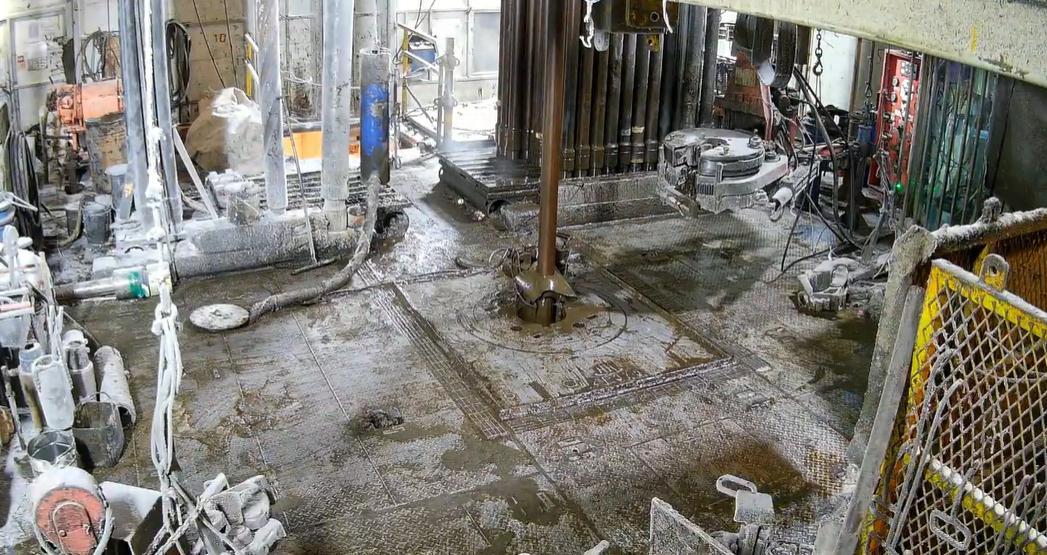 Partner deploymentOil & gas · CIS / Asia
A drilling operation
A partner solution in CIS / Asia combined 17 cameras, six loudspeakers and 21 implemented drilling-safety scenarios.
Explore the case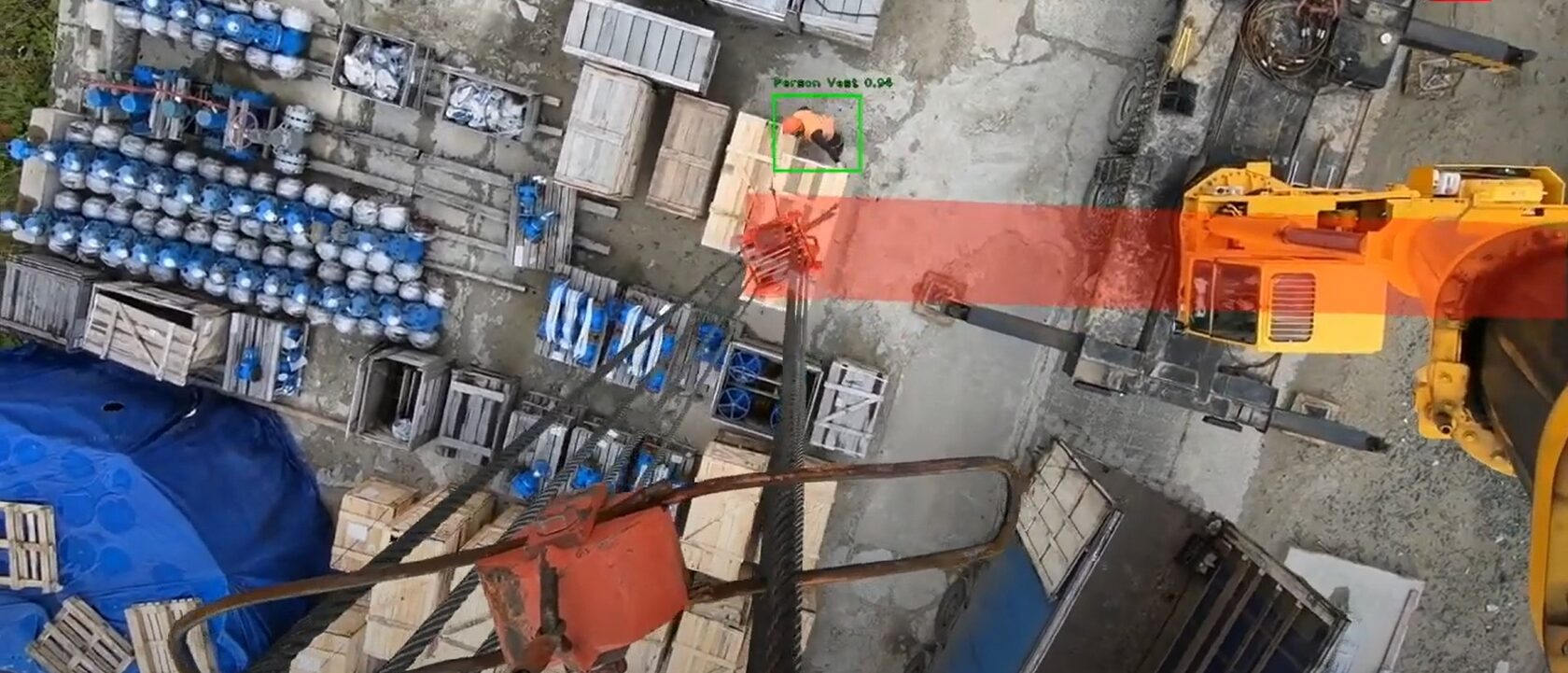 Partner deploymentMining & metals · CIS
A leading mining and metals producer operating remote industrial facilities in the CIS region.
Monitor loads, rigging, PPE and changing hazardous zones around gantry cranes.
Explore the case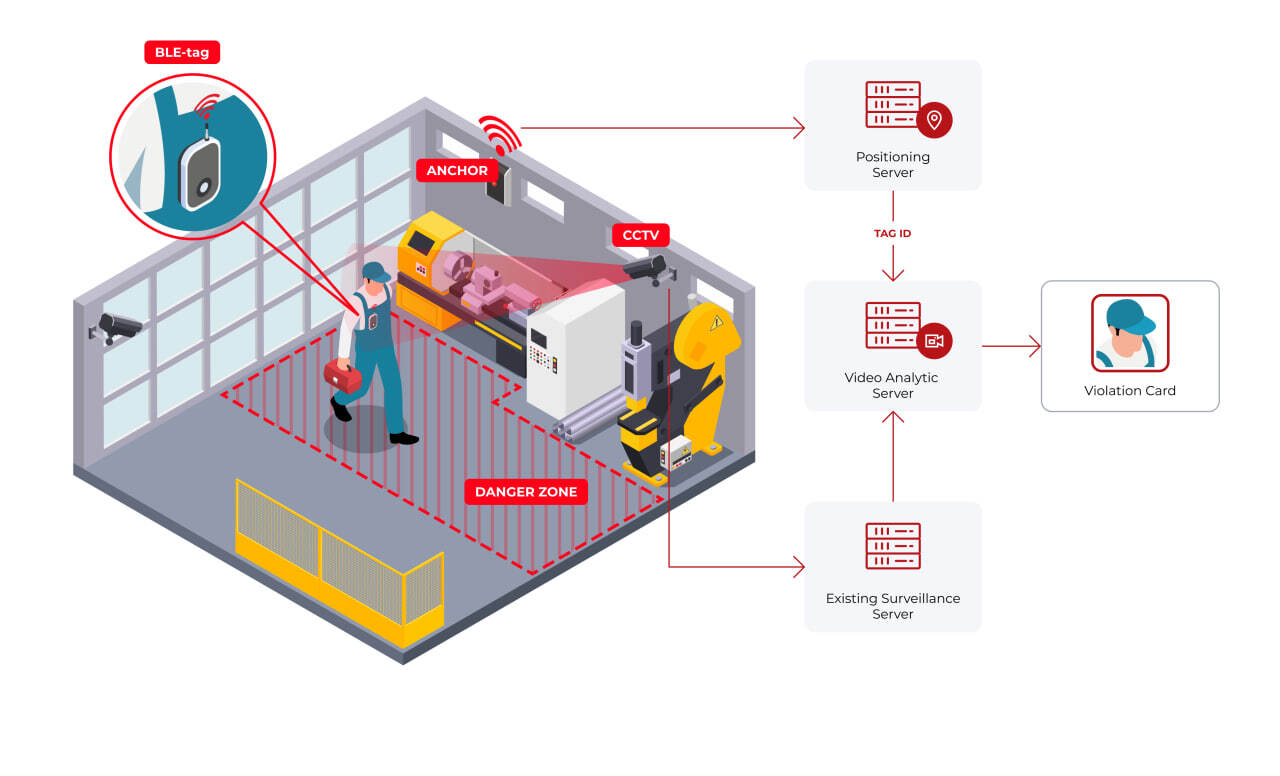 Partner deploymentManufacturing · CIS
One of the leading building-material manufacturers in its market, operating industrial production lines in the CIS region.
Recognise people in defined hazardous areas and connect events to an equipment-control workflow.
Explore the case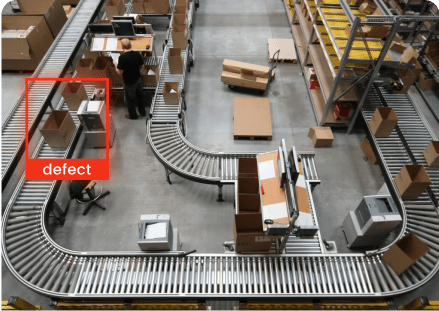 Partner deploymentManufacturing · CIS
A leading flexible-polymer and carton-packaging manufacturer with a production site in the CIS region.
One monitoring workflow for PPE, hazardous zones and interactions with industrial vehicles.
Explore the case Partner deploymentOil & gas · CIS
A large oil and gas drilling company operating multiple production facilities in the CIS region.
Coordinate safety monitoring across several drilling facilities.
Explore the case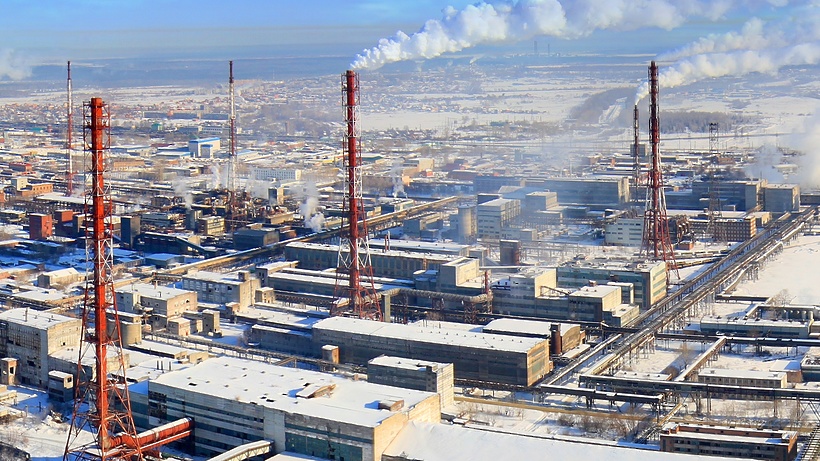 Partner deploymentChemicals & materials · CIS
A major mineral-fertilizer producer in the CIS region.
Video monitoring supports PPE checks, high-risk work review and safety statistics.
Explore the case Partner deploymentEnergy & utilities · CIS
A major power generation company
A pilot at a major power generation company combined detailed PPE checks with work-zone context and shift-supervisor response.
Explore the case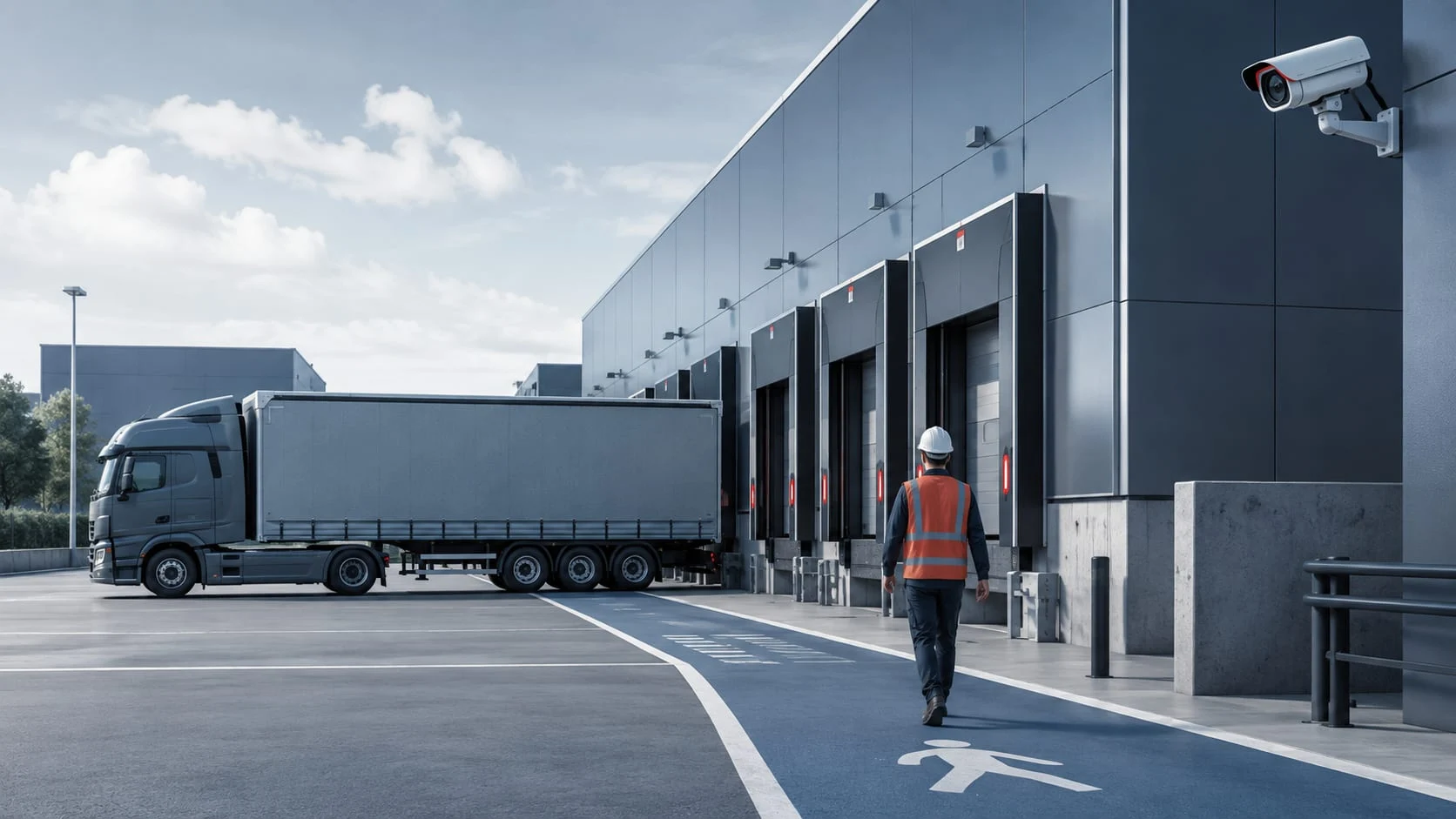 Partner deploymentTransport & logistics · CIS / Asia
A major transport and logistics company
A site deployment put protective-equipment checks into an automated video monitoring workflow for a transport operator.
Explore the case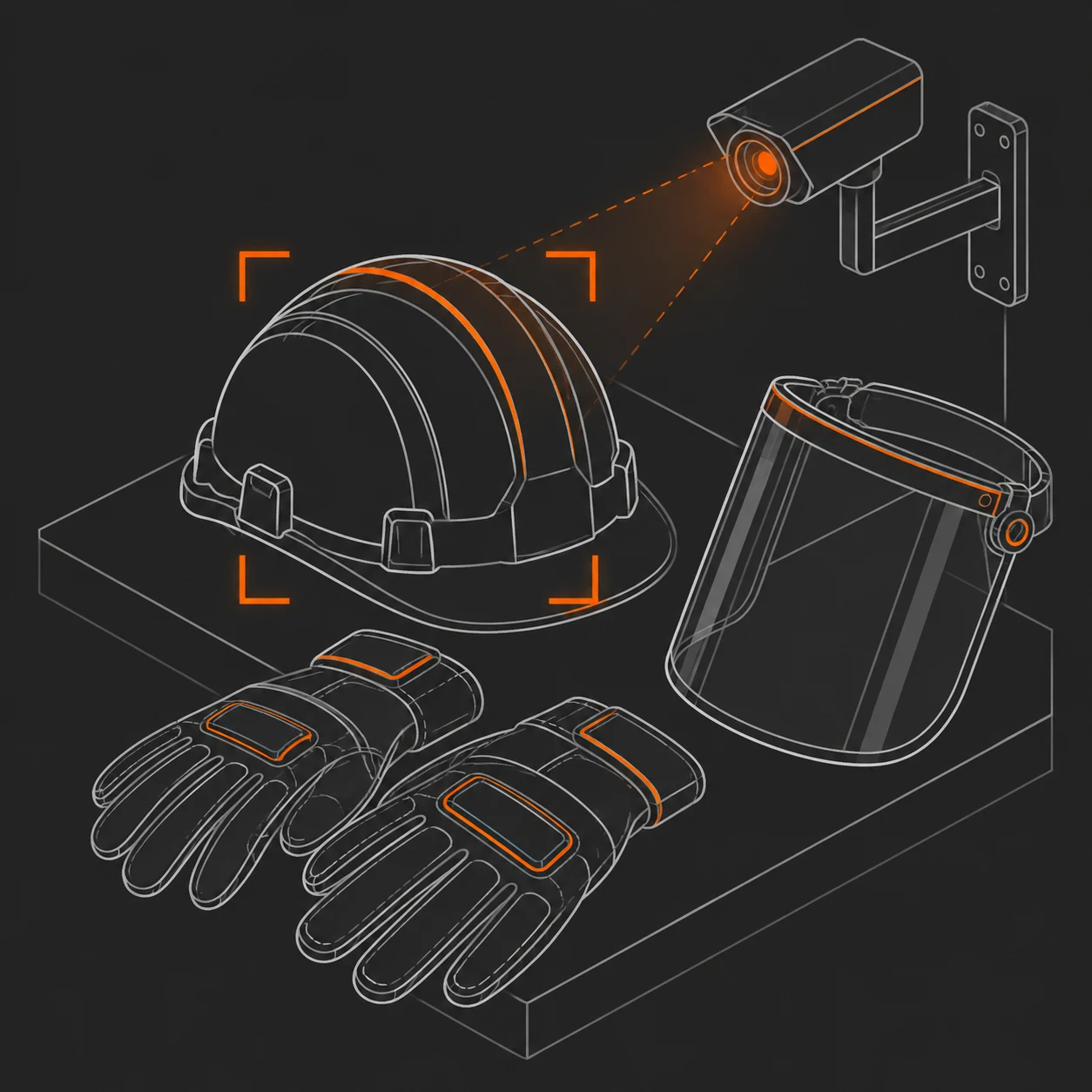 Partner deploymentManufacturing · CIS / Asia
A major rail transport and maintenance group
A completed partner project automated checks of workwear, protective equipment and welding-mask position in a rail maintenance depot.
Explore the case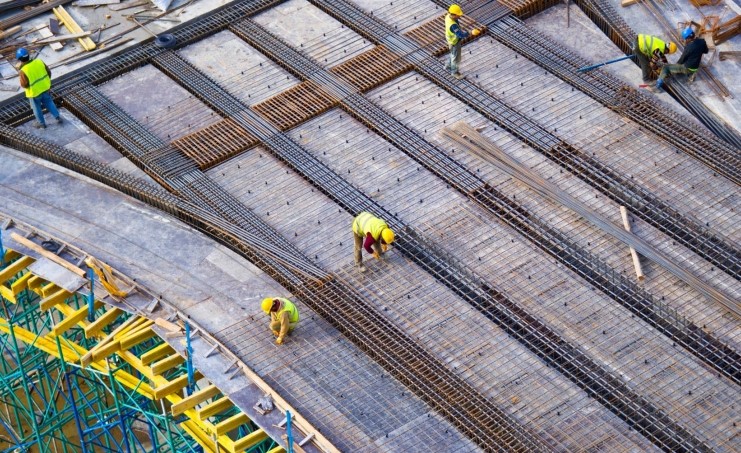 Partner deploymentConstruction · CIS
A large property development and construction group with multiple sites in the CIS region.
Route safety events by construction site and associate observations with contractor context.
Explore the case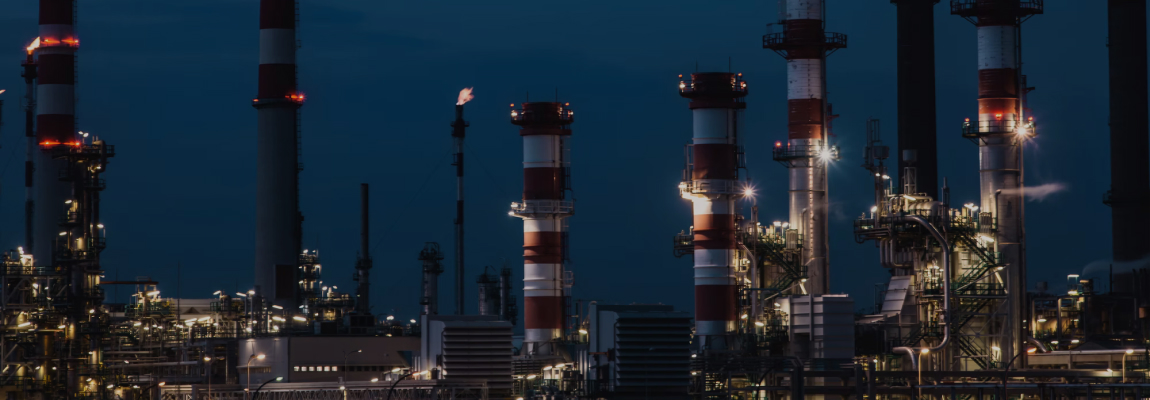 Partner deploymentOil & gas · CIS
A large regional oil company operating a refinery in the CIS region.
Combine safety monitoring and inspection rounds in a shared event and reporting workflow.
Explore the case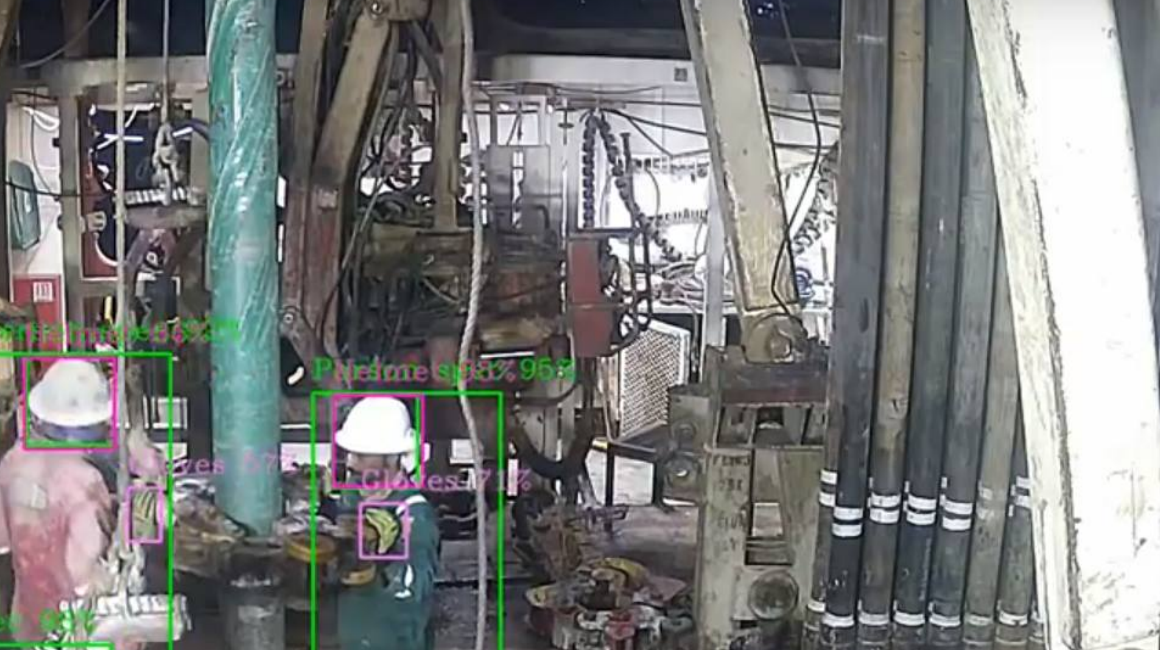 Partner deploymentOil & gas · Saudi Arabia / Gulf
One of the largest oilfield services companies in Saudi Arabia.
Personnel counting, PPE checks, top-drive servicing and loading safety across five drilling rigs.
Explore the case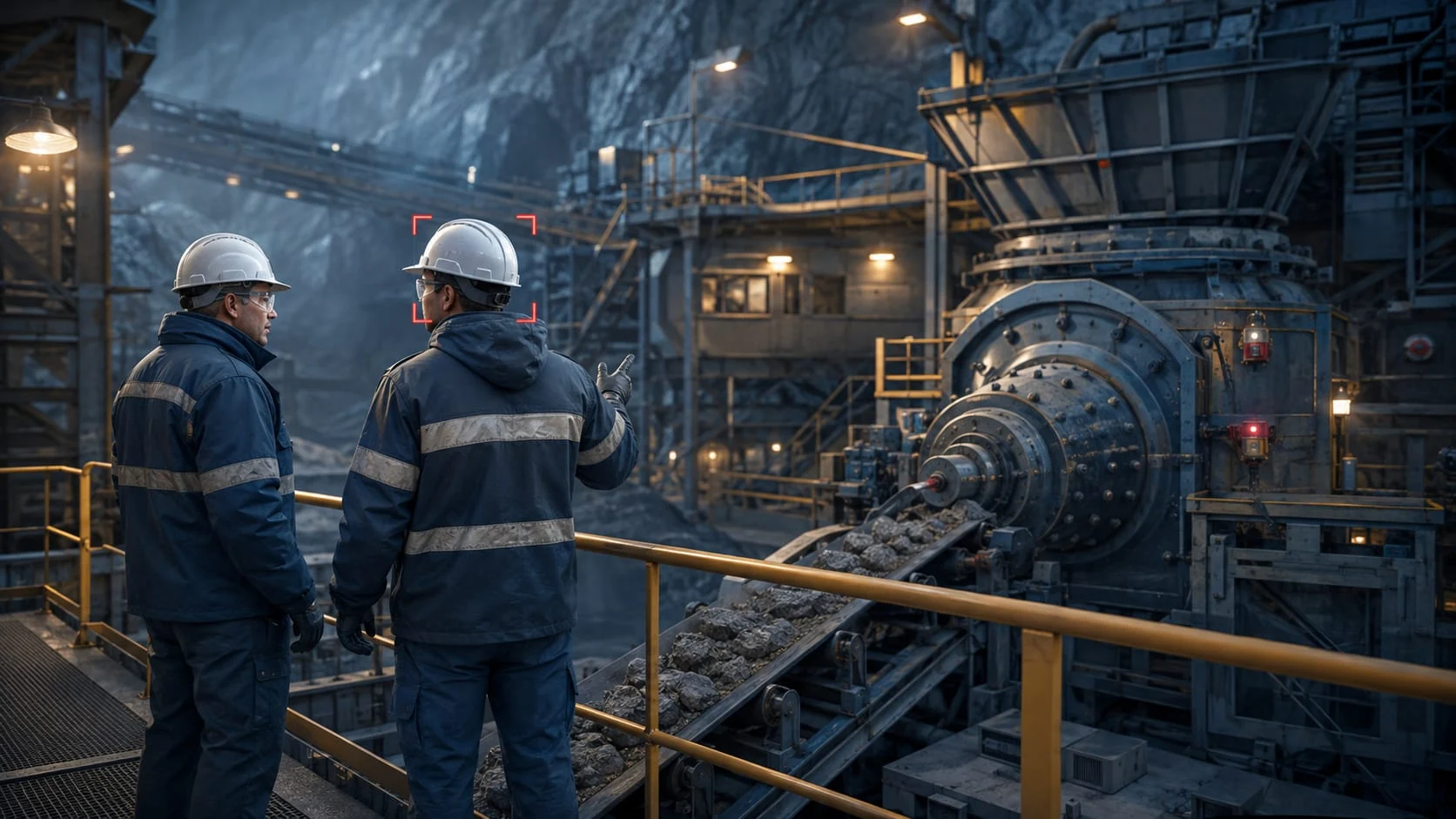 Partner deploymentMining & metals · CIS / Asia
A major mining company
Detector refinement, reporting changes and model retraining adapted a safety monitoring system to a mining operator’s actual workshops.
Explore the caseTell us about the work areas, camera estate and safety requirements you want to monitor. We will help define the solution and the next step for a demo or pilot.
For HSE teams in Saudi Arabia, the UAE, other Gulf / GCC countries, Asia and India, Health & Safety connects camera observations with site-specific PPE and work rules. Projects in Latin America and Africa follow the same approach: define the risk, validate the camera evidence and agree the delivery scope.
Compatible camera streams can be assessed for the required PPE checks. Hard hats, chin straps and protective glasses need different levels of visible detail, so review distance, angle, lighting and occlusion using footage from each work area.
Configure the required equipment, zone and operating rule, then retain the camera, time and visual evidence with the event. Supervisors can review the observation and use the record for follow-up and reporting.
Agree which events must be detected and how they will be labelled. Measure missed events, false alarms, duplicate notifications and processing delay on representative site footage, then check the operator workflow.